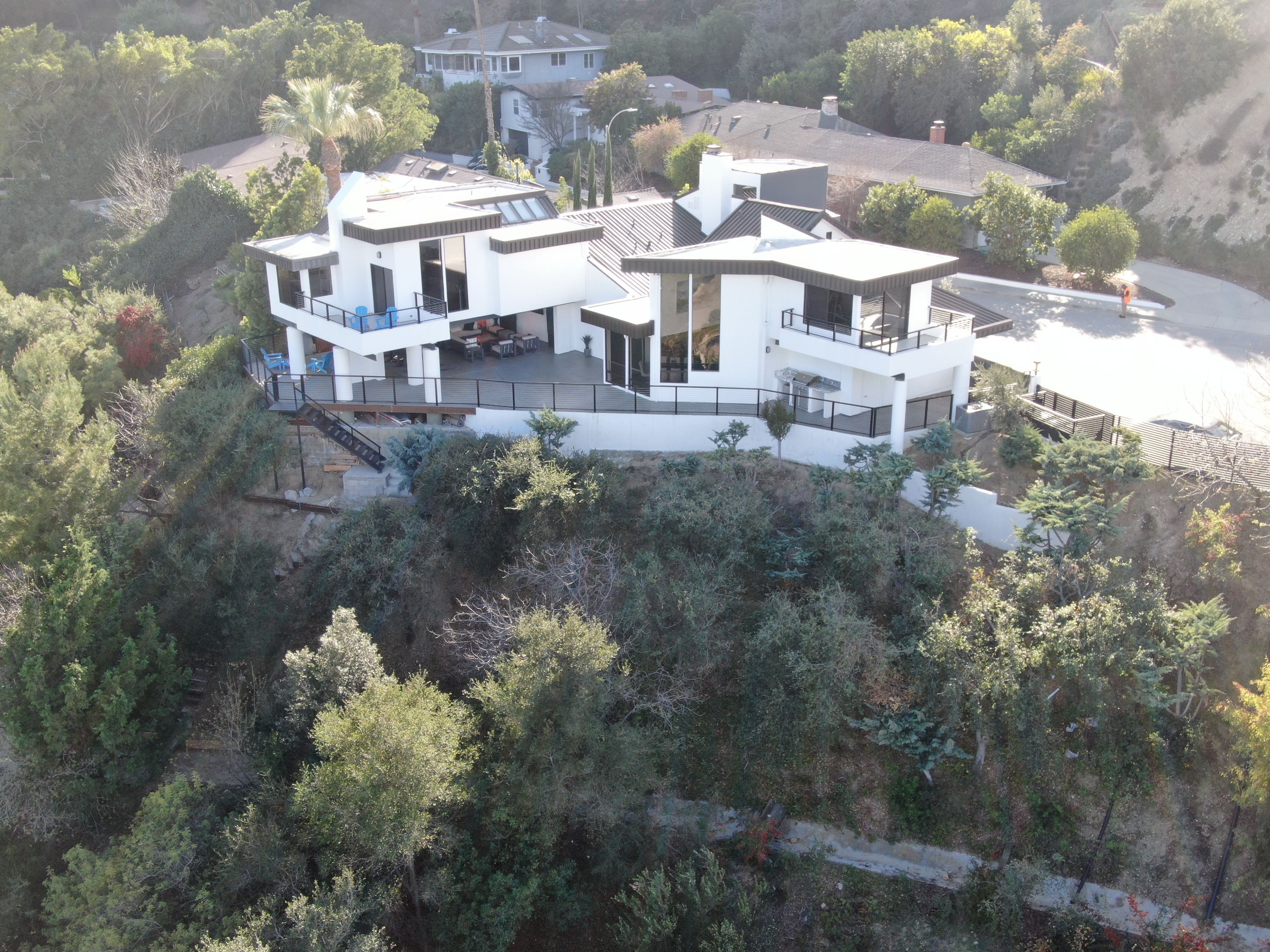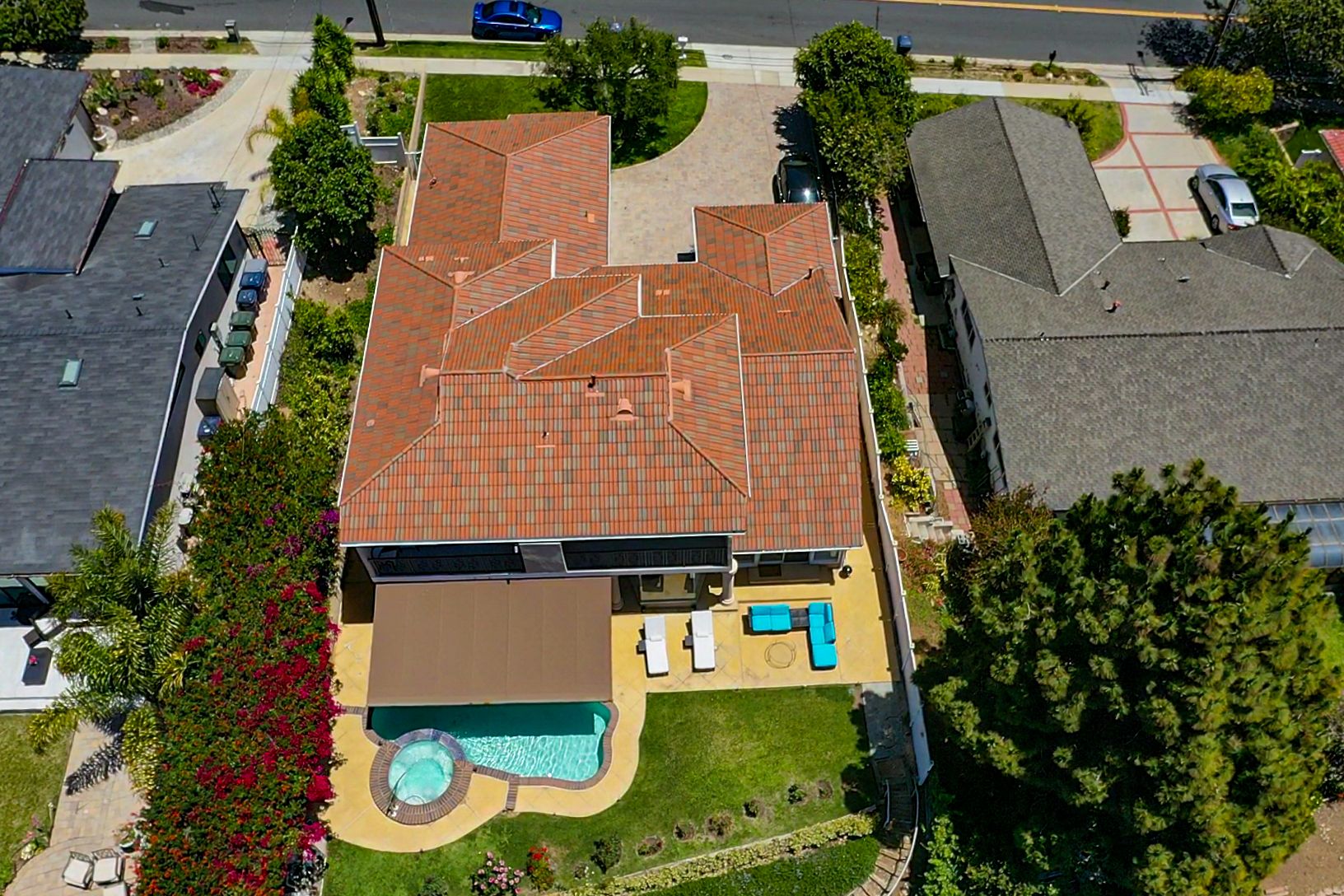
Construction photography and drone services require far more than simply showing up with a camera or drone. Success on construction sites starts with safety and professionalism above everything else. Drone operators and photographers must understand site hazards, wear proper PPE, follow OSHA and site-specific safety rules, and maintain constant communication with project managers and crews. FAA compliance, insurance coverage, and proper flight planning are also critical when operating drones around active equipment, workers, and restricted areas. Reliability is another major factor. Construction companies depend on consistent progress documentation, accurate visuals, and dependable scheduling to track projects, support inspections, marketing efforts, and client reporting. Missing deadlines or failing to capture important milestones can create serious setbacks for both the creative professional and the construction team.
Another key factor is investing in the right equipment and technical skills. Construction environments are demanding, often involving dust, wind, heat, changing light conditions, and large active work zones. Successful operators invest in high-quality drones, cameras, backup batteries, storage systems, safety equipment, and editing software capable of handling professional-level deliverables. Understanding how to capture progress over time, maintain consistent framing, and document large-scale developments accurately is extremely important. Communication and organization also play a huge role in long-term success. Construction clients expect fast turnaround times, organized file delivery, clear updates, and visuals that can be used for reports, marketing, inspections, presentations, and stakeholder communication. Professionals who can work efficiently alongside superintendents, engineers, and project teams tend to stand out quickly in the industry.
Finally, strong storytelling and adaptability separate average service providers from trusted long-term partners. Construction documentation is not just about taking random photos from the air—it is about visually showing progress, scale, craftsmanship, safety practices, and project development in a way that is useful to the client. Weather conditions, shifting schedules, equipment movement, and changing site access can all affect production days, so flexibility and problem-solving are essential. The most successful drone pilots and photographers in the construction industry combine aviation knowledge, photography skills, business professionalism, safety awareness, and consistent communication into one complete service. When done correctly, drone and photography services become valuable tools that help construction companies improve documentation, marketing, project oversight, and client confidence from groundbreaking to final completion.